Stopping Ice Dams: Preventing Ice Dams and Protecting Your Roof
Ice dams form when snow on your roof melts and refreezes at the eaves, causing water to back up and potentially damage your home. This problem is common in colder climates and can lead to costly repairs if not addressed. I want to share practical tips to help you stop ice dams and protect your roof effectively.
Understanding the Problem of Stopping Ice Dams
Ice dams develop when heat escapes from your home and warms the roof, melting snow. The melted water runs down to the colder edges of the roof and refreezes, creating a dam. This dam traps water behind it, which can seep under shingles and cause leaks inside your home.
The key to stopping ice dams is controlling the temperature of your roof and preventing water buildup. Without proper action, ice dams can damage gutters, shingles, and even the interior walls and ceilings.
Effective Strategies for Stopping Ice Dams
To stop ice dams, focus on three main areas: insulation, ventilation, and roof maintenance.
1. Improve Attic Insulation
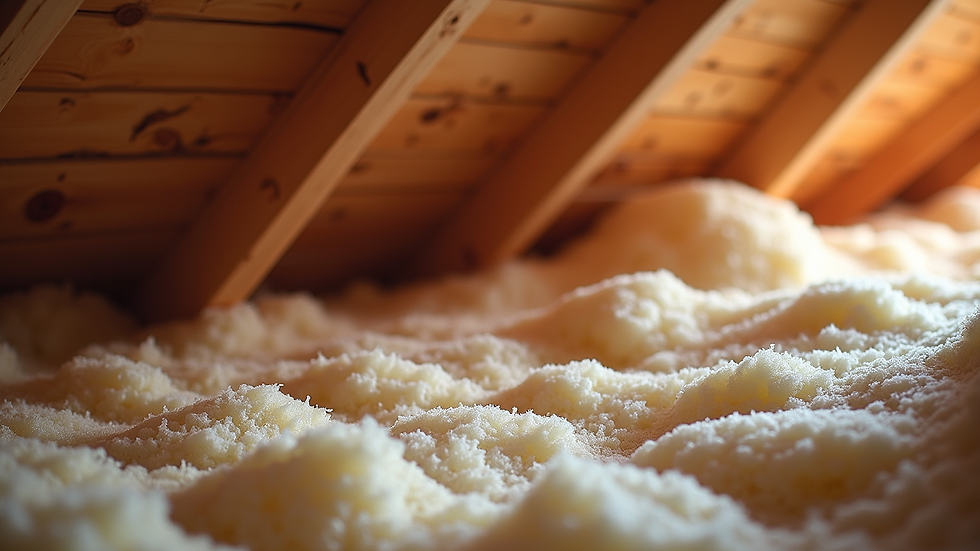
A well-insulated attic keeps warm air inside your home and prevents it from reaching the roof. Use insulation with the right R-value for your region. Seal any gaps or leaks around vents, chimneys, and attic hatches to stop warm air from escaping.
2. Enhance Roof Ventilation
Good ventilation allows cold air to circulate under the roof, keeping it closer to the outside temperature. Install soffit vents and ridge vents to create a continuous airflow. This helps maintain an even roof temperature and reduces ice dam formation.
3. Keep Gutters Clean and Functional
Clear gutters and downspouts of debris before winter. Blocked gutters can cause water to pool and freeze, worsening ice dams. Consider installing gutter guards to reduce debris buildup.
4. Use Roof Heating Cables
In areas prone to heavy ice dams, heating cables can be installed along the roof edge. These cables melt ice and snow, preventing dam formation. Use them as a last resort or in combination with other methods.
5. Remove Snow Safely
After heavy snowfall, remove excess snow from your roof using a roof rake. This reduces the amount of snow that can melt and refreeze. Be careful not to damage shingles or gutters during snow removal.

If you want to learn more about how to prevent ice dams on roof, this resource offers detailed guidance tailored for homeowners in cold climates.
Does Homeowners Insurance Cover Ice Dams?
Many homeowners wonder if their insurance covers damage caused by ice dams. The answer depends on your policy and the cause of the damage.
Typically, standard homeowners insurance covers sudden and accidental water damage, such as leaks caused by ice dams. However, damage resulting from neglect or lack of maintenance may not be covered. Insurance companies expect homeowners to take reasonable steps to prevent ice dams.
It is important to review your policy carefully and speak with your insurance agent. Ask about coverage for ice dam damage and what documentation you need if you file a claim. Taking preventive measures can also help avoid disputes with your insurer.
Long-Term Roof Protection Tips
Beyond immediate ice dam prevention, consider these long-term steps to protect your roof year-round.
Regular Roof Inspections
Schedule professional roof inspections before winter. Look for damaged shingles, loose flashing, or other issues that could worsen ice dam problems.
Upgrade Roofing Materials
Some roofing materials resist ice dam damage better than others. Metal roofs, for example, shed snow more easily. If you plan a roof replacement, discuss options with your contractor.
Maintain Attic Humidity Levels
High humidity in the attic can contribute to ice dams. Use a dehumidifier if needed and ensure proper ventilation to keep moisture levels low.
Seal Air Leaks in Your Home
Check for air leaks around windows, doors, and other openings. Sealing these leaks reduces heat loss and helps keep your roof cold.
Taking Action to Protect Your Home
Stopping ice dams requires a combination of good home maintenance and smart upgrades. Start by improving insulation and ventilation. Keep gutters clean and remove snow safely. Consider professional help for roof inspections and repairs.
By acting early, you protect your roof and your home’s interior from costly damage. Preventing ice dams is not just about winter comfort - it’s about preserving your investment and peace of mind.
If you want to protect your home this winter, take these steps now. Your roof will thank you.


Comments